Three seats we tell clients to leave empty
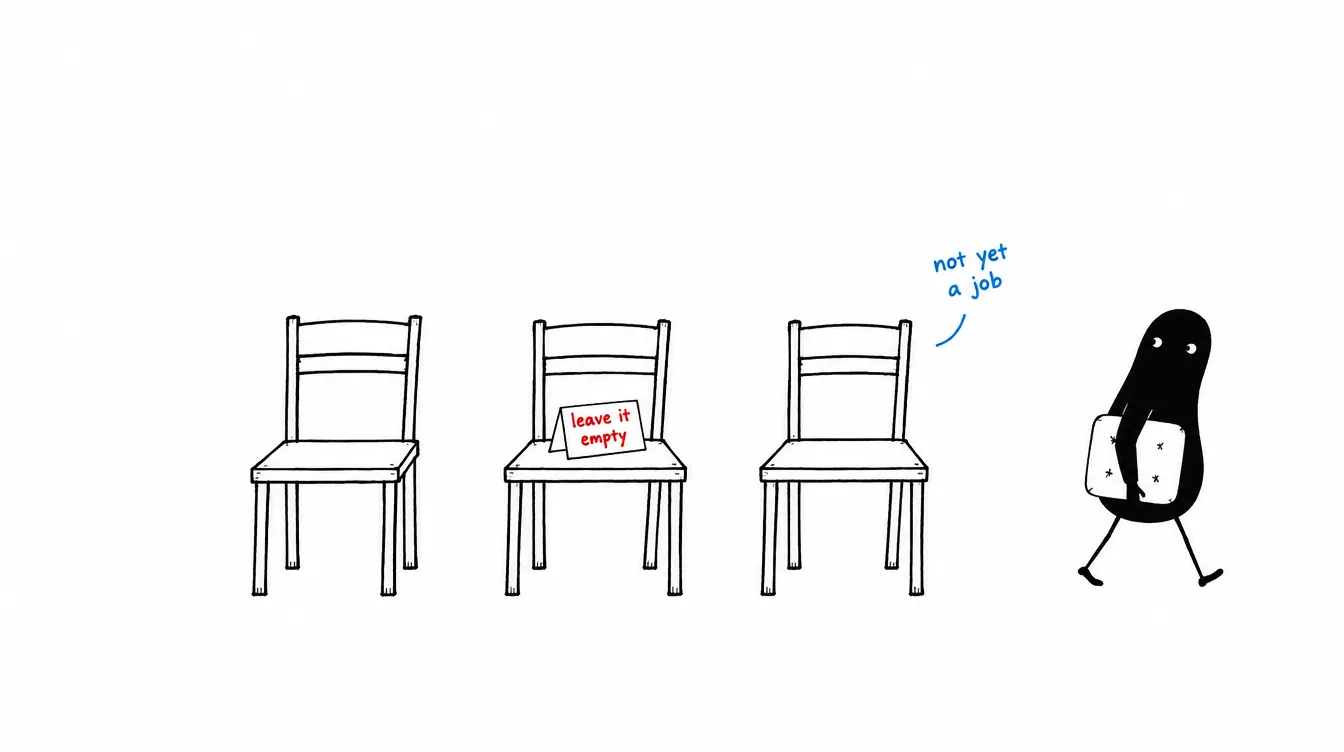
We are a staffing company. We are paid when a seat gets filled, which makes this a strange thing to publish. But we turn down roughly one request in six, and almost all of them fall into three shapes. Recognizing them early saves you a quarter.
The seat with no owner
The first question we ask about any request is who reviews this person's work in week one. Not who they report to on an org chart. The person who looks at the output and says yes, no, or change this.
When the answer is vague, the placement is already in trouble. A new person in a new company cannot calibrate without feedback, and a specialist who goes three weeks without anyone looking at their work will either stall or confidently head in the wrong direction. Both outcomes get blamed on the hire.
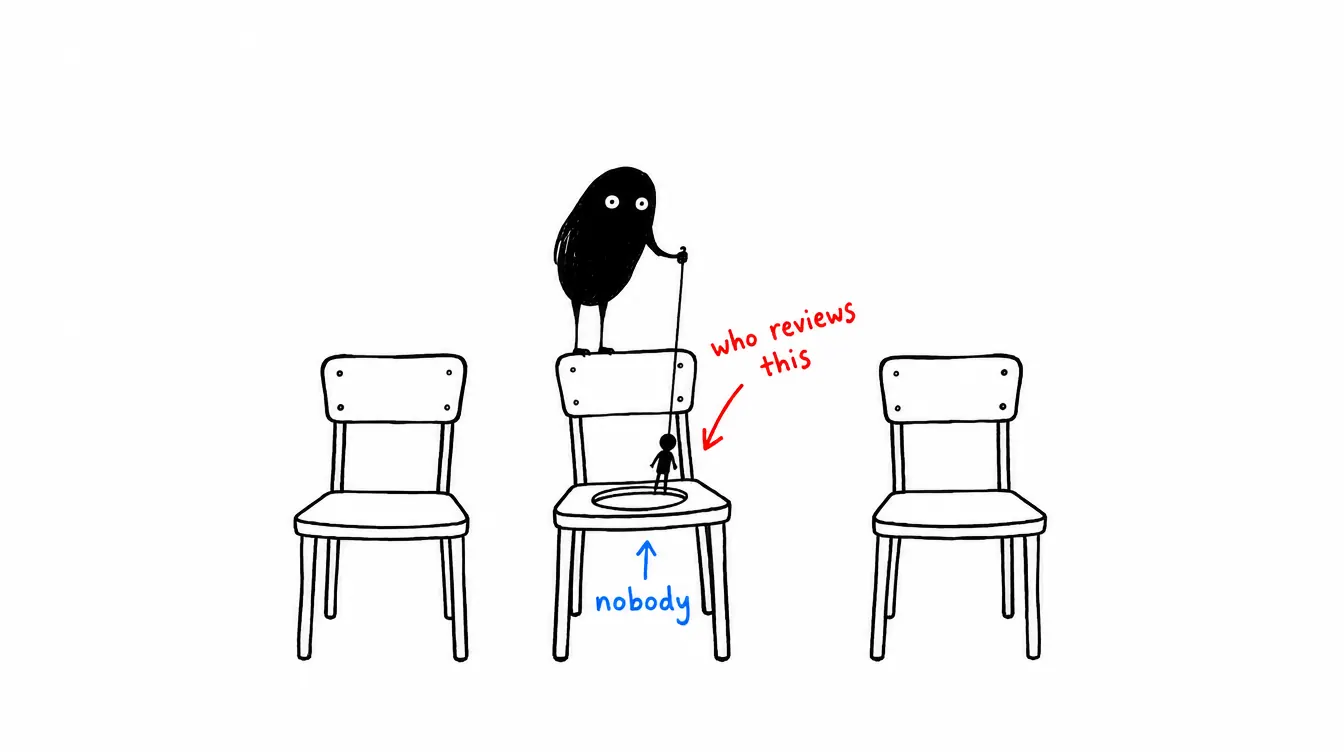
The honest version of this request is usually "we are stretched and we want somebody to take work away, but nobody has time to onboard them." That is a real problem. A hire is not the answer to it, because a hire makes it worse for the first month before it gets better.
What works instead: pick the one person who will own the review, give them back four hours a week by moving something else off their plate, and then hire. The order matters.
The project wearing a job title
The second shape is work with an end date. A migration. A rebuild. Getting a backlog down to zero. These are good pieces of work and they need somebody skilled, but they are not seats.
The tell is in the request itself. If you can describe what "done" looks like, you are describing a project. A seat does not finish; it has a steady state. Support does not get completed. Bookkeeping does not get completed.
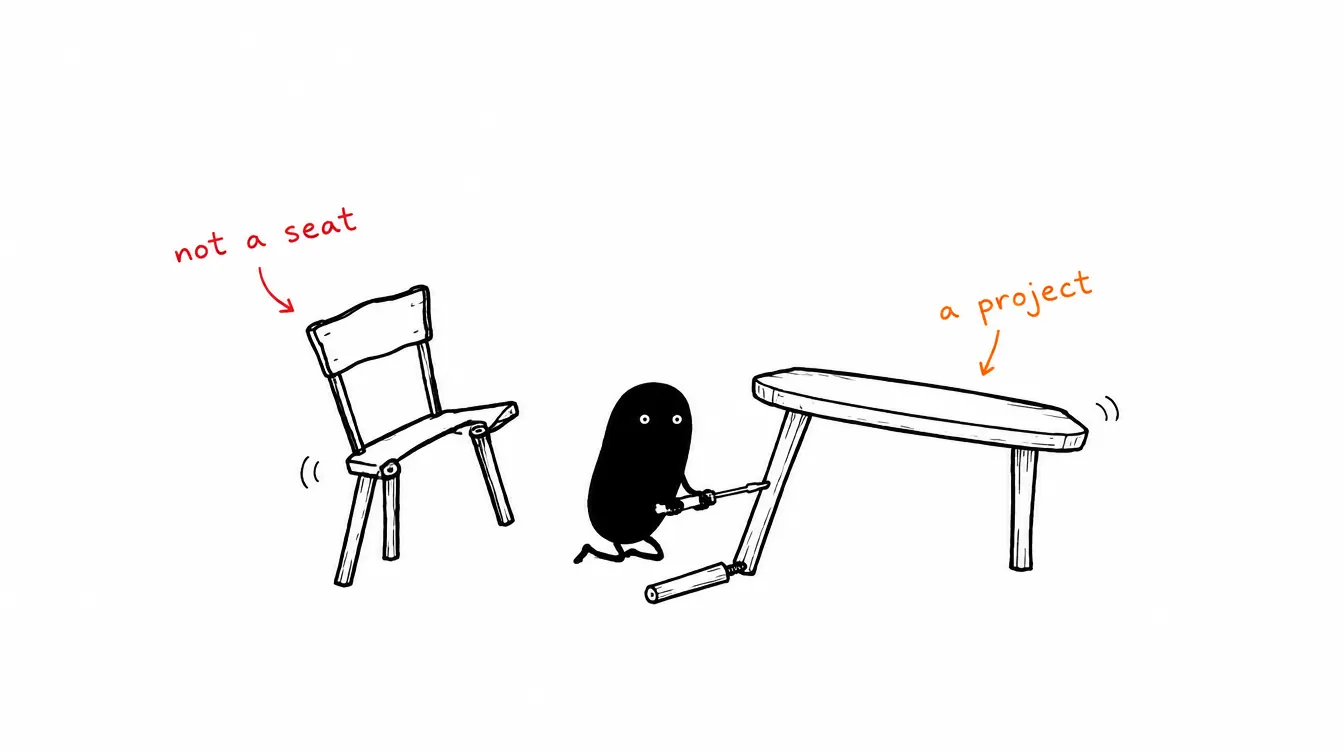
Hiring full-time for a four-month project ends one of two ways. You let the person go, which is expensive and bad for them, or you keep them and spend the next two quarters inventing work to justify the seat. We have watched both. The second is worse, because it is slower and everyone can feel it.
We will say this on the first call. Sometimes the answer is that the project is the first four months of a real seat, and then it is a hire. Sometimes it is not, and we will tell you to find a contractor.
The decision you are avoiding
The third shape is the hardest to say out loud, because it is rarely conscious. The request is a way of not making a decision.
A founder who is not sure whether the company is doing outbound hires a sales development rep instead of deciding. A team that has not agreed what the product is hires a designer and asks them to work it out. The role becomes a proxy for the conversation nobody wants to have.
You can spot it by the request's shape. It describes an area rather than a job. "Own growth." "Take care of ops." "Help with design." There is no first week in it, because nobody has decided what the first week should be.
A specialist cannot resolve this for you. They will arrive, ask what to prioritize, get three different answers, and pick one. Then the decision has been made by the newest person in the company, which is the worst possible place for it to be made.
Why we say it out loud
Partly it is self-interested. A placement that fails in month two costs us the replacement, the bench time and the relationship, and those are worse for us than the request we declined.
But mostly it is that the alternative is a business where we fill whatever is asked for and let the client discover the problem on their own money. We would rather be the vendor who says the seat is not ready, and be there when it is.
If you are not sure which shape your request is, that is a good thing to bring to the call. How to describe the role covers what we need; the quickest test is whether you can describe the first week in two sentences.