What a paid work sample tells you that an interview cannot
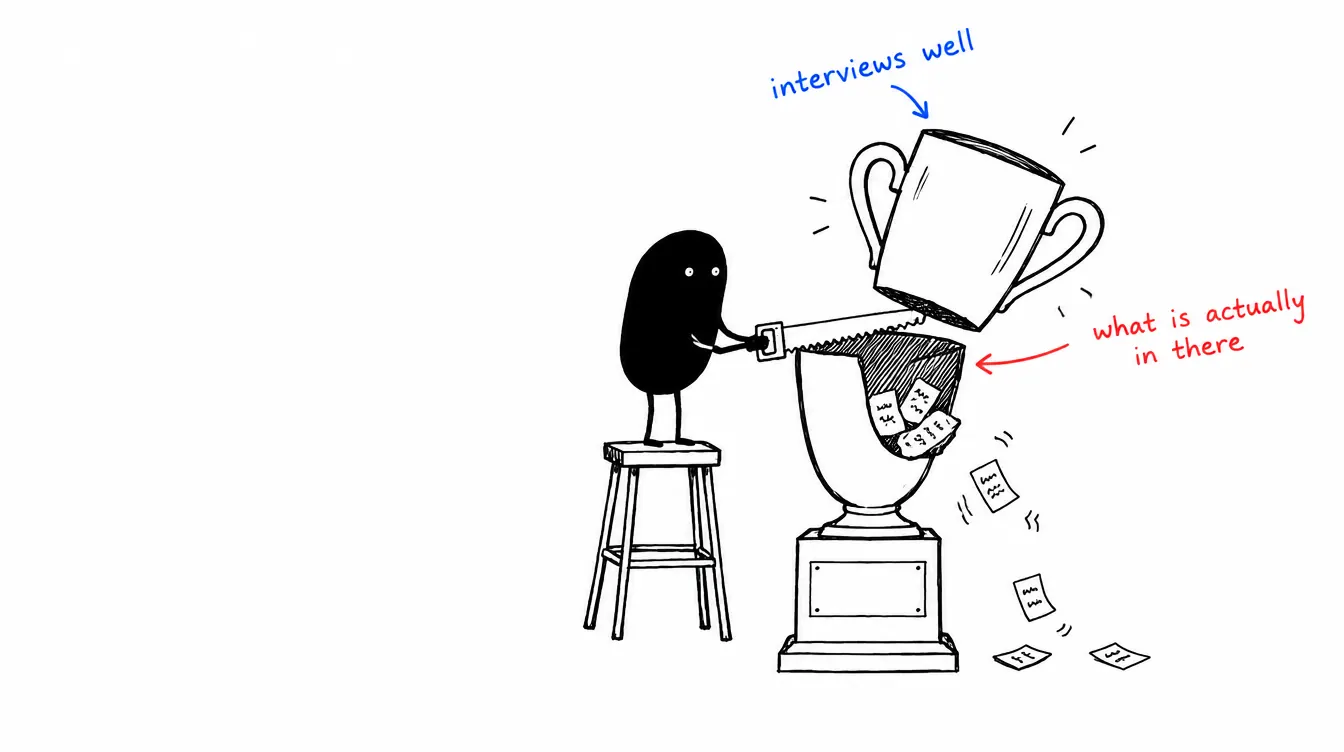
We have interviewed people who were a pleasure to talk to for forty-five minutes and could not do the job. We have also turned down someone, early on, who stumbled through every question and then produced the best piece of work in that round. After enough of both, you stop treating the interview as the test.
What an interview measures
An interview measures how somebody performs under a particular kind of pressure: being watched, being asked to recall things on demand, and being expected to sound certain. Those are real skills. They are also, for most of the roles we place, barely related to the work.
Think about what a support specialist does on a Tuesday. They read a confused message, work out what the person really wants, check whether it is covered in the help center, and write a reply in your tone. Nobody is watching. There is no time pressure beyond a response target. They can look things up. An interview inverts every one of those conditions and then asks you to predict Tuesday from the result.
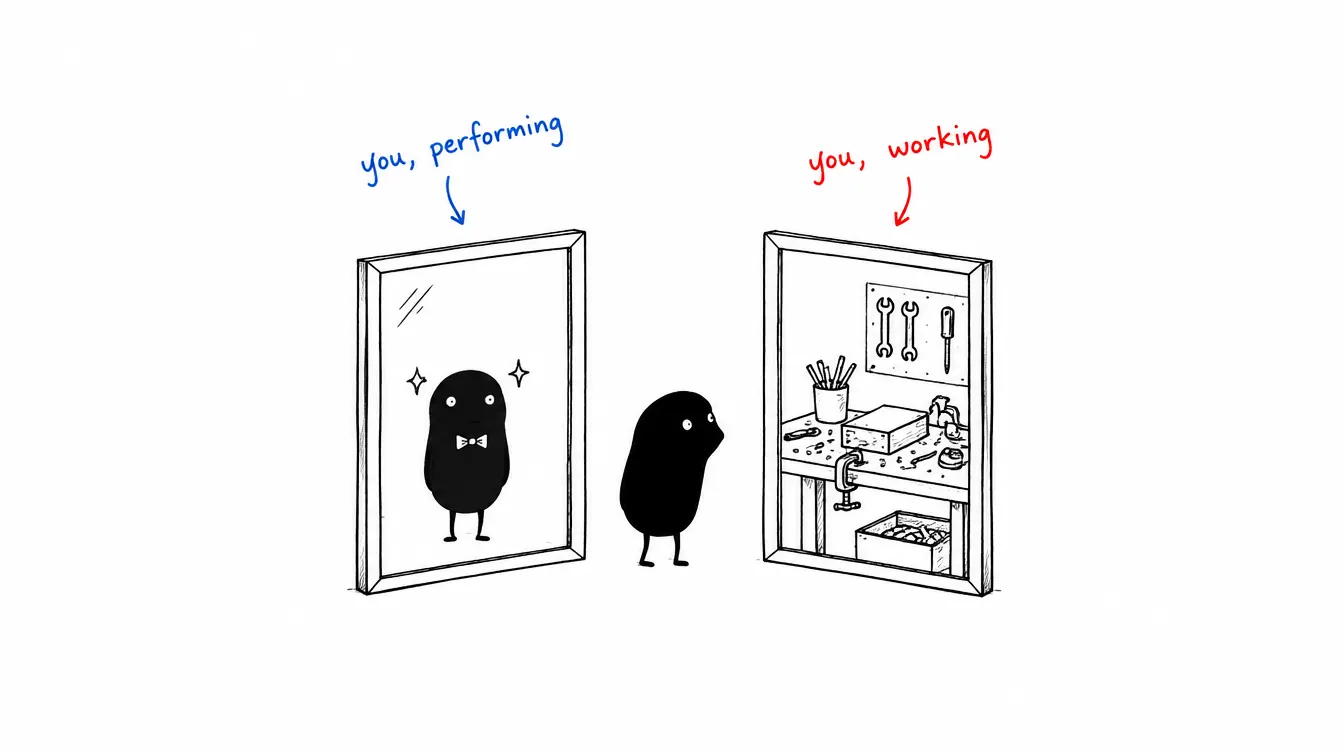
The gap gets wider the more senior the role. A senior engineer has been interviewed enough times to have answers ready. A senior designer has a portfolio built from their best three years. Neither tells you what happens when the instructions are vague, the deadline is real and nobody is in the room.
What the task measures
A work sample closes the gap by removing the audience. We give the person a real piece of work in the role they applied for, scoped to about three hours, and a written rubric decides the score. A Shopify developer gets a theme task on a seeded store and we review it as a pull request. A bookkeeper gets a trial balance with two errors planted in it. A support specialist answers twenty real tickets cold.
What comes back tells you things an interview cannot:
- Whether they ask. The instructions are deliberately incomplete. Somebody who sends one sharp clarifying question before starting has already shown you more than an hour of conversation would.
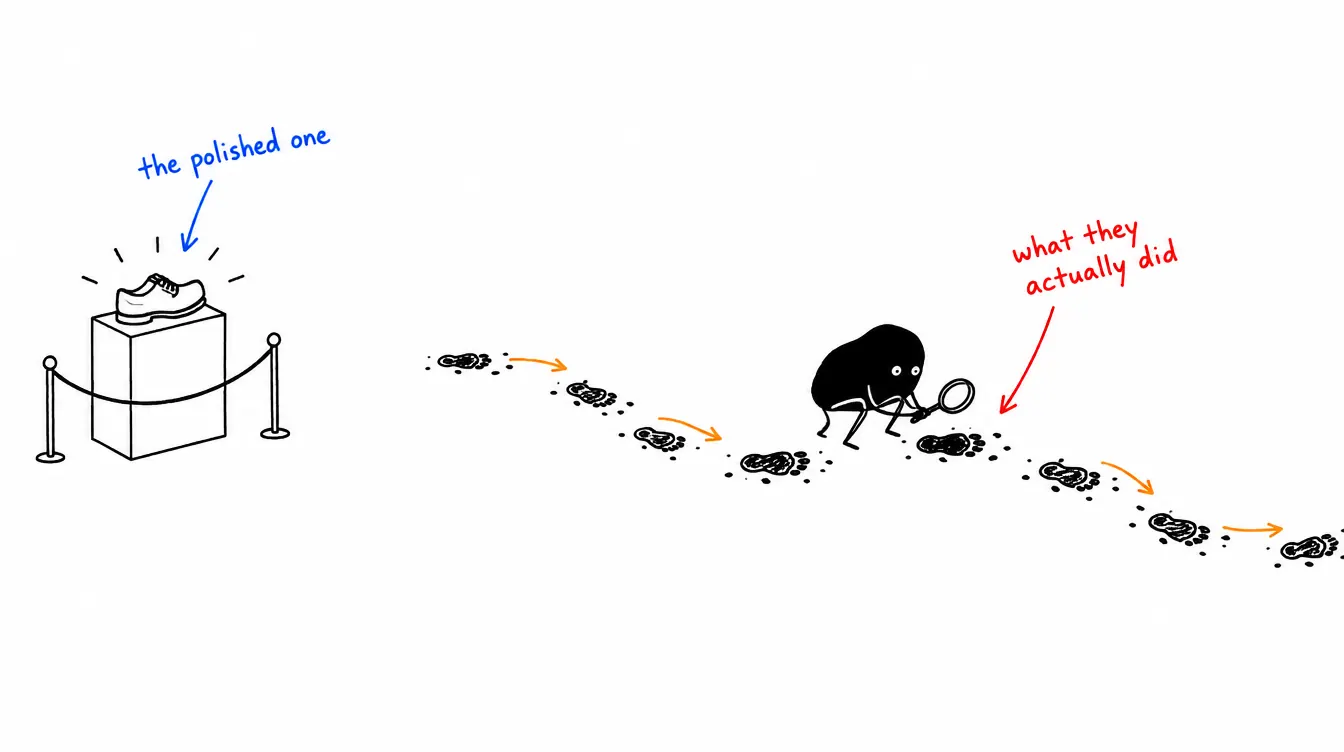
- What they do when stuck. You see the order they tried things in. Guessing confidently and getting lucky looks different from reasoning to the right answer.
- What their normal is. Not their best work under observation. The work they produce when it is a Tuesday and this is the task.
- Whether they finish. A surprising number of people submit something unfinished with no note explaining what they ran out of time on. That is the same habit that costs you a deadline in month three.
We score process as well as output, and it is not a tiebreaker. Someone who reaches the wrong answer but asks the right question scores above someone who guesses right. In the actual job, the second person is the expensive one.
Pay for it
We pay for every assessment task, whether or not the person passes. This is not generosity, and it is worth being plain about why.
An unpaid task selects for people who can afford to work for free. That skews everything: towards people between jobs rather than people currently employed and good at it, and towards people whose circumstances allow three unpaid hours in an evening. The strongest candidates we see are usually busy. Asking them to donate an afternoon is asking them to deprioritise you, and the good ones will.
It also changes the task you are allowed to set. If you are paying, you can ask for three honest hours. If you are not, you end up designing something small enough to be defensible, and small tasks do not discriminate between a good candidate and a great one.
Reading the result
Every profile we send carries the scorecard from the assessment, including the rows where we marked somebody down. Clients sometimes ask why we would show them the weaknesses. Because you will find them in month two anyway, and then you will wonder what else we left out.
A senior developer who scored two out of five on written communication is a good hire for a team with a strong tech lead and a bad hire for a team that needs somebody client-facing. That is your call. Hiding the score does not change the fact; it moves the discovery to a worse moment.
Read the weighted total first, then read the notes on the two highest-weighted rows. Ignore the difference between a 4.1 and a 4.3, which is inside the noise between two reviewers. A full point on a heavily weighted row is real.
The full rubric per role, and what each level is expected to clear, is on how we vet, and the scorecard page walks through the columns.