Nearshore is not offshore, and three hours is the whole difference
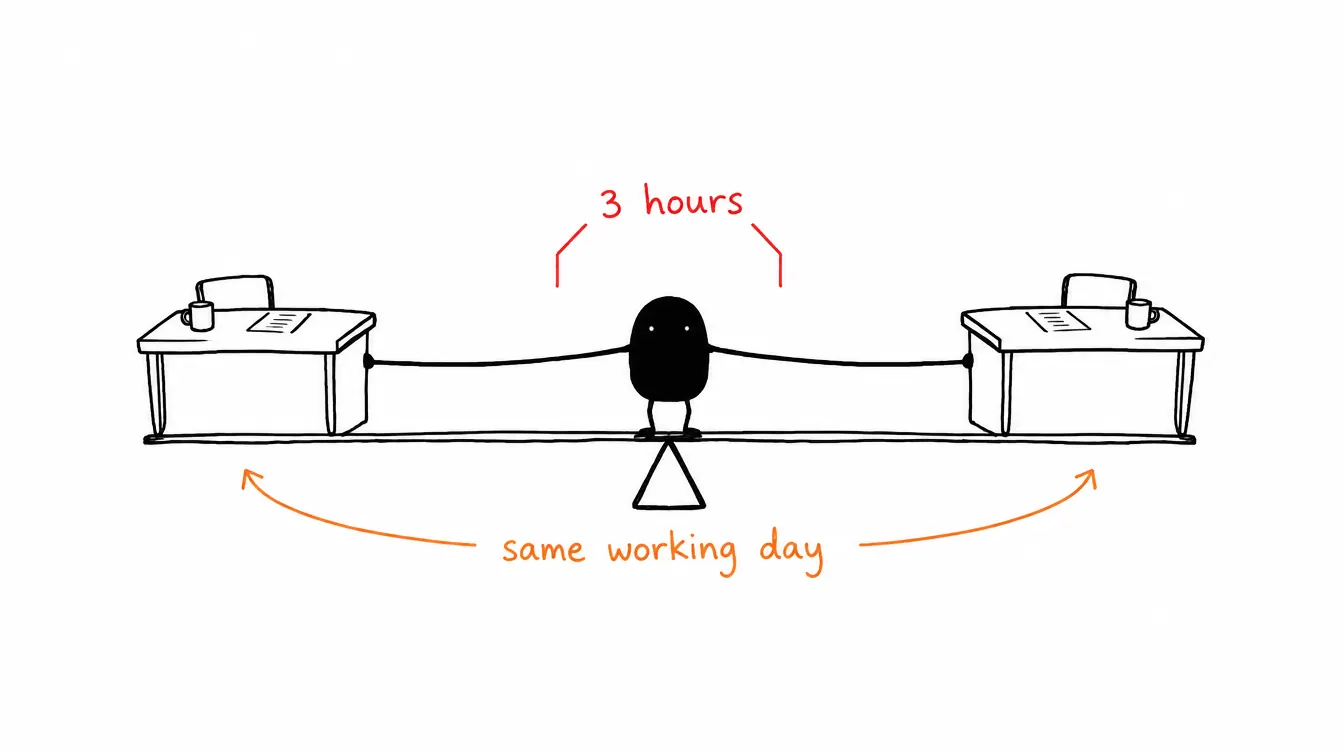
The word remote covers two arrangements that have almost nothing in common. One is a colleague who happens to sit somewhere else. The other is a queue you post work into and collect from the next morning. The distance between them is about three hours.
The handover tax
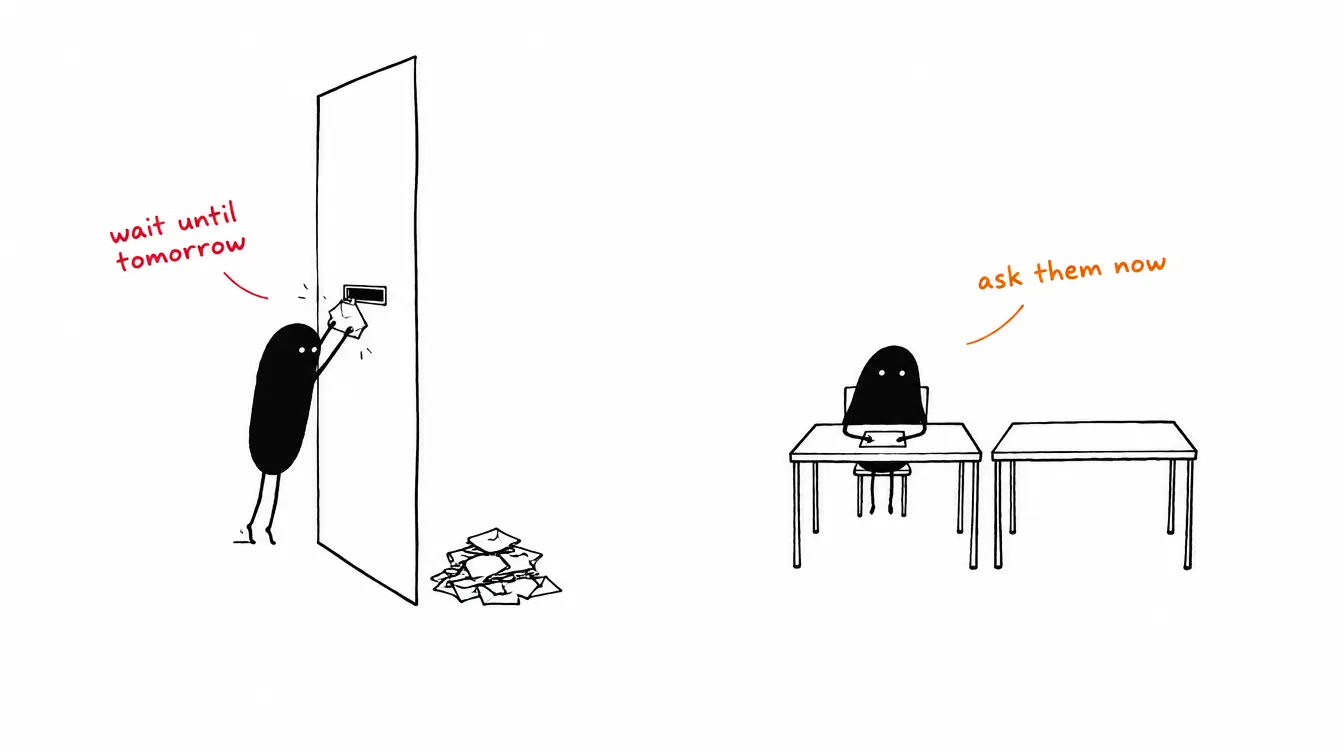
When your overlap is an hour or less, every question costs a day. The loop causes it, and nobody is slow: your developer hits an ambiguity at 4pm their time, writes it up, and goes home. You read it when you start. You answer. They read your answer the following morning. One ambiguity, two calendar days, and nobody did anything wrong.
Teams adapt to this, and the adaptations are what cost you. Work gets specified more heavily up front, because a wrong guess is expensive. Scope gets chunked bigger so there are fewer handover points. People stop asking marginal questions, which is the worst of it, because the marginal question is often the one that would have caught the misunderstanding.
What an overlap buys
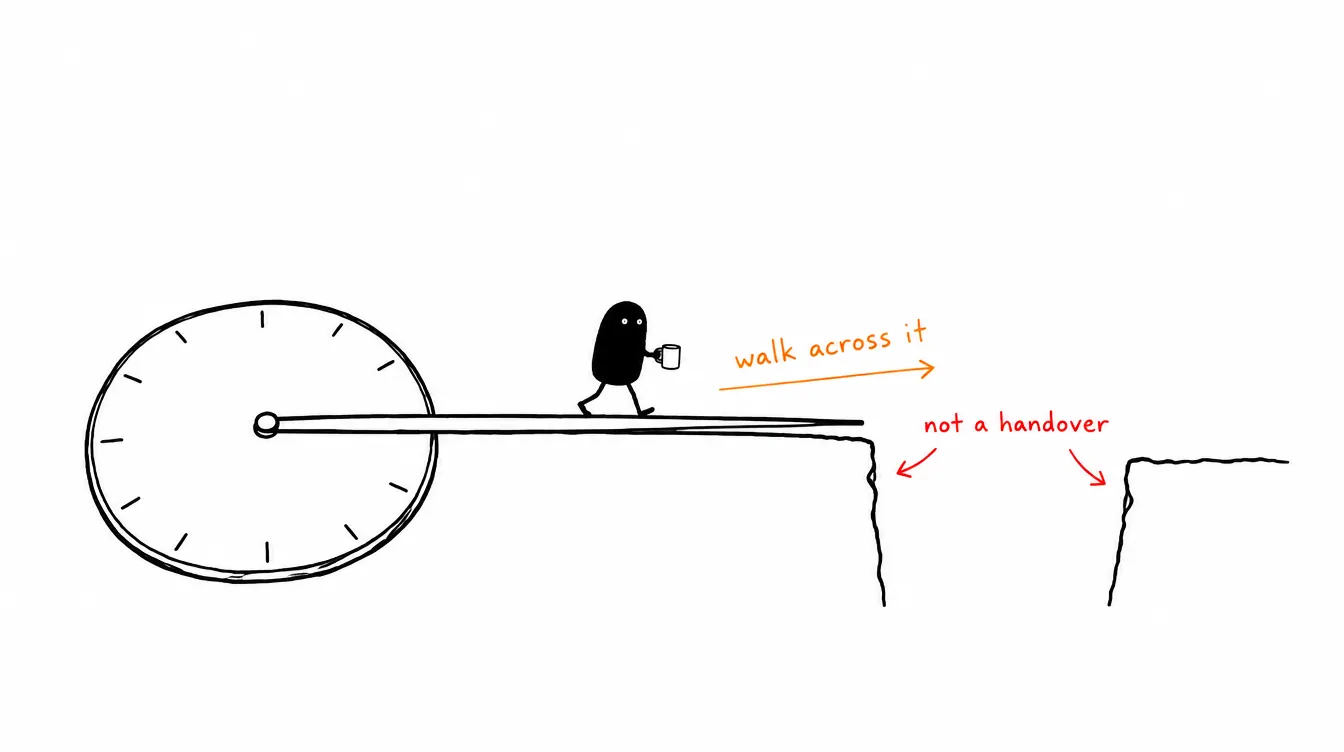
Every country we recruit from sits within three hours of US Eastern. Jamaica, Colombia and Peru are on Eastern for most of the year. Argentina, Brazil and Uruguay are one or two ahead, which in practice means they start before you and finish mid-afternoon your time.
Against the West Coast that is five to six hours of shared day, which is a full morning on both sides.
It changes what you can ask somebody to do:
- They can be in the standup. Not read the notes from it.
- Ambiguity resolves in minutes. The marginal question gets asked, because asking it is cheap.
- You can give smaller pieces of work. Which means you can review more often, which is how somebody new calibrates to your standards in weeks instead of months.
- Pairing is possible. Genuinely, not as a scheduled event.
That last one matters more than it sounds. Most of what a new person needs to learn in their first month is not written down anywhere. It transfers by being in the room while something is decided. A one-hour overlap gives you no room; a seven-hour one gives you all the room you need.
The habits worth keeping anyway
None of this is an argument for abandoning asynchronous discipline. Two habits are worth keeping even when you do not strictly need them.
Write decisions down. It costs nothing and it survives holidays, illness, and the day somebody's power goes out. It also means the person who joins in six months inherits the reasoning rather than the conclusion.
Agree a response-time expectation, not an always-on one. "Inside the hour during our overlap" is a rule a person can keep. "Responsive" is an anxiety, and nobody can keep it.
The thing to avoid is importing habits built for a twelve-hour gap into a two-hour one. Heavyweight written specs for work that could be settled in a four-minute call are a tax you are choosing to pay.
Where this breaks
Two caveats.
Local public holidays are not yours. They are in the contract and we send you the calendar at the start of the placement so it is never a surprise. Most clients swap a local holiday for a US one when the timing matters, and the specialist decides.
And genuine overnight coverage is not what this is. If you need somebody awake while your team sleeps, a nearshore hire is the wrong instrument, and we will tell you that rather than sell you one and watch it fail. That is a different arrangement with a different cost, and we would rather you heard it on the first call.
More on how the first weeks usually run is in the first two weeks, and the practical time zone detail is in working across a one or two hour difference.