What a US hire really costs, and why your budget is light
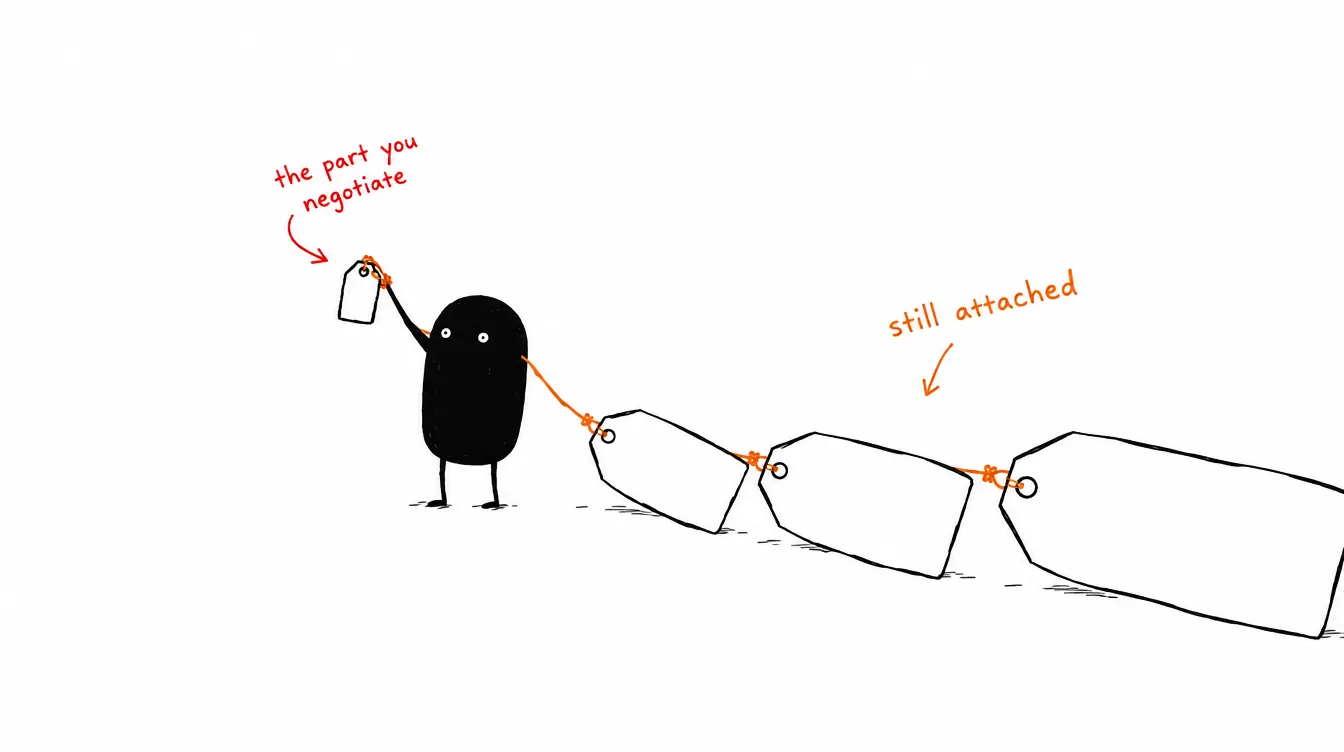
Most hiring budgets we see are built from one number: the salary somebody expects to be offered. It is the number that gets negotiated, the number in the approval, and the number people mean when they say what a role costs. It is also roughly seven tenths of what leaves the account.
This is not a trick anyone is playing. The rest of it is spread across payroll, finance and IT, arrives on different lines in different months, and nobody owns the total. So the total rarely gets written down.
The number you negotiate
Call it base pay. For the roles we place it is the figure in the offer letter, and it is the only part of the cost that both sides actively agree on. Everything else is a consequence of it.
That is worth sitting with for a second, because it explains why the number feels complete when it is not. You negotiated it. You compared it against market data. Somebody signed it off. All of that effort attaches to one line, and the lines nobody negotiated feel like background noise.

What rides along with it
On top of base pay sit employer costs. The range we use is 25 to 40 percent, and it is wide because the two biggest components vary more than anything else on the list.
- Payroll taxes and statutory contributions. Reasonably predictable. This is the part finance already models.
- Health cover. The single largest swing factor, and the reason the range has a ten point spread rather than a three point one.
- Paid leave. Easy to forget because it does not appear as a cost. It appears as a month where you pay for output you do not get.
- Equipment and software seats. A laptop, a phone, and six to ten paid tool seats. Individually small, collectively not.
- Space, where you still have it. Lower than it used to be for most teams, not zero for many.
Then the one-time cost of finding the person. A contingency agency quotes 15 to 25 percent of first-year base for the roles we deal with. Retained search runs higher. If you source in-house it is not free either; it is your own team's weeks, which are harder to invoice.
Run a mid-level seat at a 90,000 dollar base through that and you are at roughly 117,000 loaded, plus 18,000 to find them. About 135,000 in year one against a budget line that said 90. Our full assumptions, and where each figure comes from, are on where our numbers come from; the per-role version is on each role's cost page.
The line nobody budgets
There is one more cost, and it is the one that turns a tight budget into a bad quarter: the hire that does not work out.
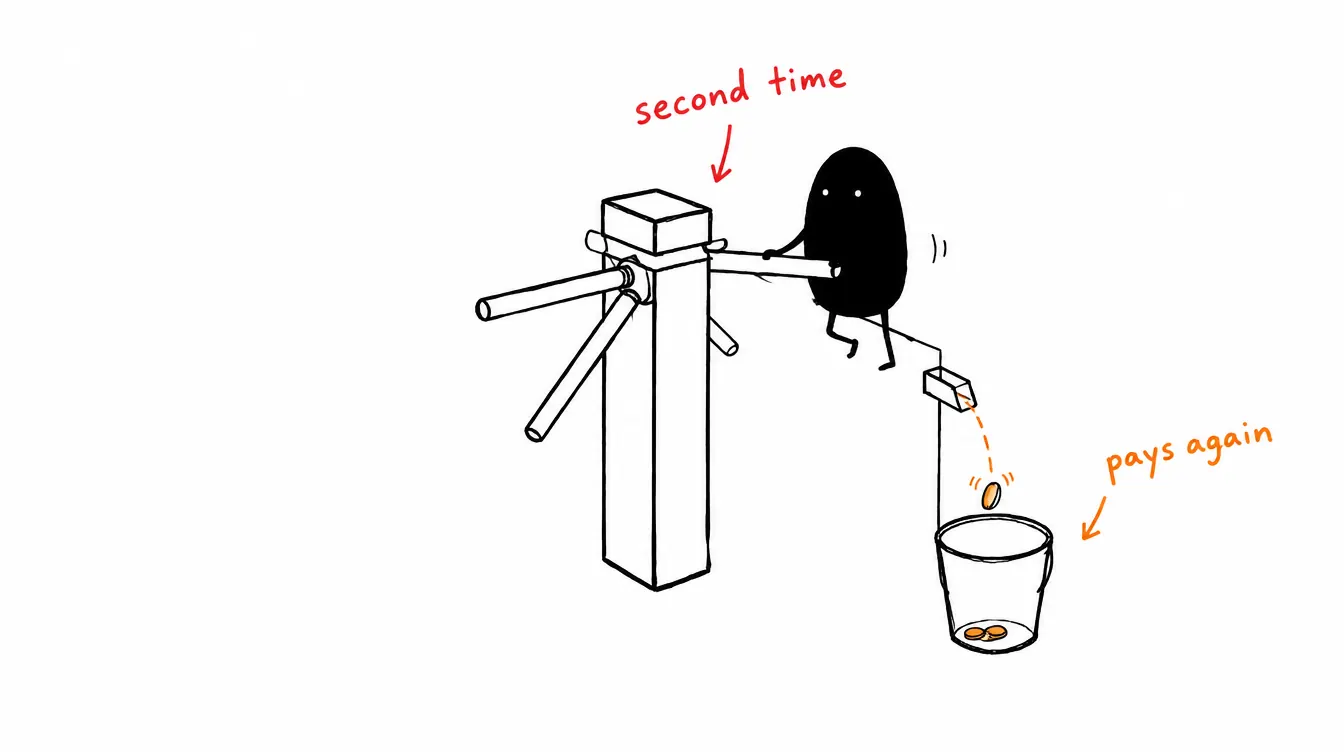
A placement that ends in month three costs you the agency fee again, the salary already paid, the onboarding time your team spent, and the six to ten weeks to refill. On the numbers above that is comfortably another 40,000 dollars, and it arrives in the same financial year as the first attempt.
Nobody budgets for this, because budgeting for it feels like planning to fail. But it happens often enough that leaving it out makes the model incomplete. If you are not going to put a line in for it, at least know what it would say.
What to do with this
Three things, in order of how much they are worth.
Budget the loaded figure, not the base. Multiply base by 1.3 as a working midpoint and add the fee. If the approval only survives at the base number, the approval was never real.
Price the replacement risk explicitly. Ask any vendor what happens when it does not work out, and get a number rather than reassurance. Ours is that the replacement is free and we stop billing the placement that failed from the day you tell us, which is a commitment you can hold us to rather than a sentiment.
Compare like with like. When you compare a US hire to any alternative, put the loaded figure on both sides. We publish one monthly rate per role and level that includes pay, employer costs, equipment and cover, with no placement fee, specifically so the comparison is one subtraction rather than a modeling exercise. You can run it yourself on the calculator.
None of this makes a US hire the wrong call. Plenty of seats should be filled in your own market, at your own desk, and we will say so when we think it. It means the decision should be made against the real number.